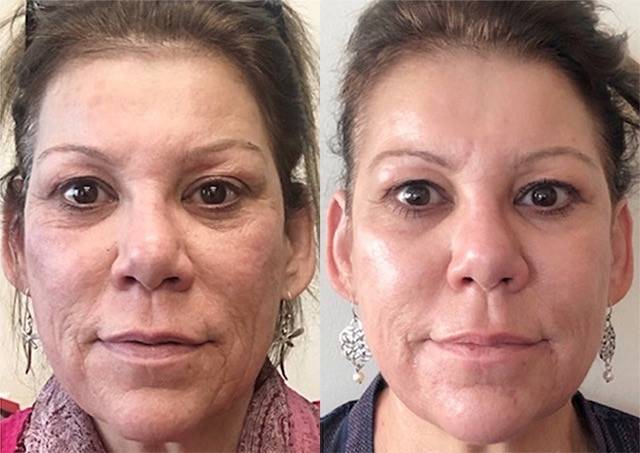
Hormones are the body’s chemical messengers, influencing everything from metabolism and mood to sleep, libido, and energy levels. As we age or due to certain medical conditions, hormone production naturally declines. This imbalance can trigger a wide range of symptoms—fatigue, brain fog, weight gain, hot flashes, low libido, and mood changes, to name a few.
Hormone Replacement Therapy (HRT) is one of the most effective ways to restore balance. But when exploring treatment options, patients often face a key decision: bioidentical vs. synthetic hormones.
If you’re considering hormone therapy in Westminster, it’s important to understand how these two approaches differ, their benefits, risks, and why many people today are turning toward Bioidentical Hormone Replacement Therapy (BHRT) offered at trusted med spas.
What Is Hormone Replacement Therapy (HRT)?
Hormone Replacement Therapy is a treatment designed to restore declining or imbalanced hormone levels. It has been widely used to address symptoms of menopause, perimenopause, andropause (low testosterone in men), thyroid disorders, and other hormone-related conditions.
The goal of HRT is simple: improve quality of life by restoring balance in the body. But the type of hormones used in therapy makes a significant difference in how effective, safe, and well-tolerated the treatment may be.
Understanding Synthetic Hormone Replacement
What Are Synthetic Hormones?
Synthetic hormones are man-made compounds designed to mimic the effects of natural hormones. However, their molecular structure is not identical to the hormones your body produces. They are modified versions that bind to hormone receptors but may behave differently in the body.
Examples include:
- Premarin – derived from pregnant mare’s urine, used for estrogen therapy.
- Progestins – synthetic progesterone alternatives.
- Certain testosterone replacements that are chemically altered.
Benefits of Synthetic Hormones
- Widely available and FDA-approved.
- Often covered by insurance.
- Can be effective at reducing symptoms of menopause or low hormones.
Drawbacks of Synthetic Hormones
- Because they are not molecularly identical to natural hormones, they may cause unpredictable side effects.
- Studies have linked synthetic hormone use to an increased risk of blood clots, breast cancer, and cardiovascular issues in some populations.
- May not be as well tolerated long-term compared to bioidentical options.
What Is Bioidentical Hormone Replacement Therapy (BHRT)?
Defining Bioidentical Hormones
Bioidentical hormones are derived from natural plant sources (such as yams or soy) and are chemically identical to the hormones naturally produced by the human body. This identical structure allows them to bind seamlessly to hormone receptors, making them more physiologically compatible.
Commonly Used Bioidentical Hormones
- Estradiol (estrogen)
- Progesterone
- Testosterone
- DHEA
- Thyroid hormones
Benefits of Bioidentical Hormones
- Improved safety profile: Their identical structure reduces the risk of adverse side effects compared to synthetic alternatives.
- Customized therapy: BHRT can be tailored to individual needs, with dosages adjusted based on lab results and symptoms.
- Better tolerance: Many patients report fewer side effects compared to synthetic hormones.
- Addresses multiple symptoms: Can improve energy, sexual wellness, weight management, mental clarity, and emotional balance.
Forms of Bioidentical Hormones
- Pellets inserted under the skin for steady release.
- Creams or gels applied topically.
- Oral capsules or troches for convenient daily use.
- Injections in some cases.
Comparing Bioidentical vs. Synthetic Hormones: Key Differences
| Factor | Bioidentical Hormones | Synthetic Hormones |
| Structure | Identical to human hormones | Altered, not identical |
| Source | Derived from natural plant compounds | Often lab-created or animal-derived |
| Customization | Compounded to individual needs | Standardized, one-size-fits-all |
| Tolerance | Generally well tolerated | Higher risk of side effects |
| Long-Term Use | Increasing evidence of safety | Linked to certain health risks |
| Common Forms | Pellets, creams, gels, capsules | Pills, patches, injections |
Why Many Patients Prefer Bioidentical Hormone Therapy
- Natural Alignment with the Body
Because bioidentical hormones mirror what your body produces, they work more smoothly and feel more natural to patients. - Personalized Care
Unlike synthetic hormone prescriptions that are standardized, BHRT is often custom-compounded to meet your exact hormone levels and needs. - Fewer Side Effects
Patients report reduced bloating, mood swings, and headaches compared to synthetic hormone use. - Supports Whole-Body Wellness
BHRT can improve sexual health, skin health, mental clarity, metabolism, and energy, making it a popular choice at Westminster med spas focused on comprehensive wellness.
Risks and Considerations: A Balanced View
No form of hormone therapy is completely risk-free. While BHRT is considered safer by many practitioners, it’s important to note:
- Monitoring is essential: Hormone therapy should always be guided by lab testing and medical supervision.
- Not suitable for everyone: Patients with certain medical histories (such as active cancer or blood clot disorders) may not be candidates.
- Quality matters: Compounding pharmacies must follow strict standards to ensure safe, consistent dosing.
The Role of a Westminster Med Spa in BH
Choosing a Westminster med spa that specializes in bioidentical hormone replacement therapy is key to getting safe, personalized care. At a trusted med spa:
- A thorough consultation and lab testing helps identify imbalances.
- Providers develop a customized plan tailored to your symptoms and lifestyle.
- Follow-up visits ensure hormones remain in balance and adjustments can be made.
- Patients often pair BHRT with other wellness services such as weight loss programs, IV therapy, or sexual wellness treatments for a holistic approach.
What to Expect During Treatment
- Initial Consultation – Review symptoms, health history, and goals.
- Comprehensive Lab Work – Blood tests determine hormone levels.
- Personalized Treatment Plan – Custom BHRT dosage and method chosen.
- Ongoing Monitoring – Regular follow-ups to track improvements and adjust therapy.
- Symptom Relief Timeline – Some patients feel improvements in 2–4 weeks, with full benefits often within 3–6 months.
Frequently Asked Questions (FAQs)
Is bioidentical hormone replacement therapy safe?
Yes, when prescribed and monitored by trained professionals, BHRT is considered safe and well-tolerated. Because the hormones are identical to those your body produces, the risk of side effects is lower compared to synthetic hormones.
How long does it take to see results from BHRT?
Most patients notice improvements in energy, mood, and sleep within weeks. Full symptom relief and hormone balance may take several months.
Is synthetic hormone therapy still used?
Yes. Some patients still use synthetic hormones, especially if they are covered by insurance. However, many are transitioning to bioidentical options due to the better safety profile and customization.
Can men benefit from BHRT?
Absolutely. Men experiencing low testosterone (andropause) can improve energy, muscle mass, sexual health, and mental clarity with bioidentical testosterone therapy.
Do I need ongoing treatment?
Yes. Hormone therapy is usually ongoing, with regular monitoring and adjustments to ensure long-term wellness.
Making the Right Choice for Your Health
The choice between bioidentical and synthetic hormone replacement comes down to safety, personalization, and how well your body responds. While synthetic hormones remain in use, Bioidentical Hormone Replacement Therapy offers a natural, individualized, and often better-tolerated solution for restoring balance and improving quality of life.
If you’re seeking safe, effective hormone therapy, partnering with a Westminster med spa specializing in bioidentical hormones ensures you receive personalized care in a supportive environment.